


The empty-nest narrative ends too soon. The lonelier stretch comes after — in the early 50s, when nobody in the house is being raised anymore and the cognitive patterns of the next thirty years are quietly being set. Read more ›
0

European startups raised €12.3 billion in Q2 2025, marking a meaningful uptick from the post-correction lows and signalling that investor confidence across the continent is quietly — but measurably — rebuilding. Read more ›
0

European venture capitalists are pouring unprecedented capital into AI startups at breakneck speed, driven not by conviction but by a deep-seated fear of missing the next transformative wave — a psychological dynamic that history suggests rarely ends well. Read more ›
0
While classrooms teach you to avoid confusion and follow prescribed paths, those who learned through pure curiosity developed eight counterintuitive habits that make them approach problems like jazz musicians instead of classical performers – improvising solutions in ways that formal education accidentally trains out of us. Read more ›
0
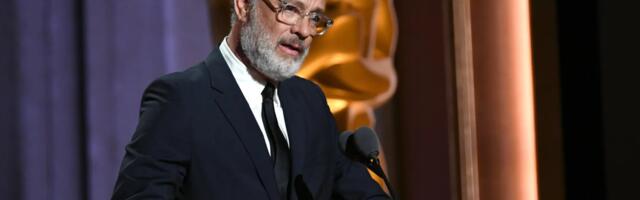
A twenty-eight-year-old entrepreneur discovers that his most spectacular failure taught him what his successful exit at twenty-seven never could – that the struggles we desperately avoid are actually the secret ingredients to everything worthwhile in life. Read more ›
0

If you replay conversations in your head for hours, neuroscience suggests your brain is running a powerful social simulation engine — one built for connection, not self-punishment. Here's what the research reveals and how to break the loop. Read more ›
0

The leather chairs in the doctor's waiting room couldn't hide what the coffee cans full of sorted screws in my garage already knew—some lessons from growing up broke burn so deep into your DNA that no amount of money can ever truly wash them away. Read more ›
0

The calmest person in the room isn't naturally unflappable — they've likely survived something that rewired how their nervous system processes threat, and that composure was built at a cost most people never think to ask about. Read more ›
0

Research on social clocks and self-concordant goals reveals that the persistent feeling of being 'behind in life' often stems from internalized timelines we absorbed rather than chose — and the fix isn't catching up, but questioning the clock itself. Read more ›
0

The loneliness of a full room is worse than the loneliness of an empty one — especially when everyone in it only knows the version of you designed for their comfort. Read more ›
0

She lived what modern psychologists call "post-traumatic growth" decades before the term existed, turning poverty and widowhood into a masterclass in resilience that shaped six children and countless grandchildren. Read more ›
0

They spent decades being loved for their strength and success, only to discover in retirement that nobody—not even their spouses—actually knows who they are beneath the roles they've played. Read more ›
0

People from lower middle class families develop a form of financial hypervigilance — an inability to stop noticing micro-costs, hidden fees, and pricing structures that wealthier people genuinely can't see. It's not about being cheap. It's about what different environments train your brain to perceive. Read more ›
0

The need for solitude after socializing isn't antisocial — it's the signature of a nervous system processing social information at higher resolution than most, and psychology has the research to prove it. Read more ›
0

The person who stays eerily calm during a crisis didn't develop that skill by accident — psychology suggests it was often forged in a childhood where someone had to become the emotional thermostat, and the cost of that adaptation follows them long into adulthood. Read more ›
0

Behind the carefully curated social media posts and packed calendars, the most socially active people in your life might be drowning in isolation—and they've become so skilled at hiding it that you'd never suspect the friend who always checks on you is the one who needs checking on most. Read more ›
0

If you were labeled the "difficult" or "too sensitive" one in your family, research suggests you may have been the one responding most accurately to dysfunction everyone else had agreed to ignore — and recognizing that can be quietly transformative. Read more ›
0

Emotional loneliness doesn't come from being alone — it comes from being surrounded by people who only know the version of you that showed up for them. The cure isn't more interaction. It's more truth. Read more ›
0

The people who stop over-explaining their choices aren't cold or detached — they've simply learned that their decisions don't require a defense attorney. Here's why that quiet shift carries more power than most people realize. Read more ›
0

For decades he checked every box of responsible fatherhood—steady paycheck, perfect attendance at games, calm demeanor—until his 40-year-old son revealed the devastating gap between being a reliable parent and being one your children actually feel safe to be themselves around. Read more ›
0

Across Europe's startup landscape, founder burnout is silently eroding decision-making, team stability, and company survival — and the ecosystem still isn't treating it as the systemic threat it has become. Read more ›
0
Most popular sources
 Startup News
|
0% |
 ScienceDaily
|
0% |
 Mashable
|
0% |
 Tech Wire Asia
|
0% |
 Sifted
|
0% |
| View sources » | |
LIKE us on Facebook so you won't miss the most important news of the day!
15.06.2026 22:11
Last update: 22:05 EDT.
News rating updated: 05:02.
What is Times42?
Times42 brings you the most popular news from tech news portals in real-time chart.
Read about us in FAQ section.